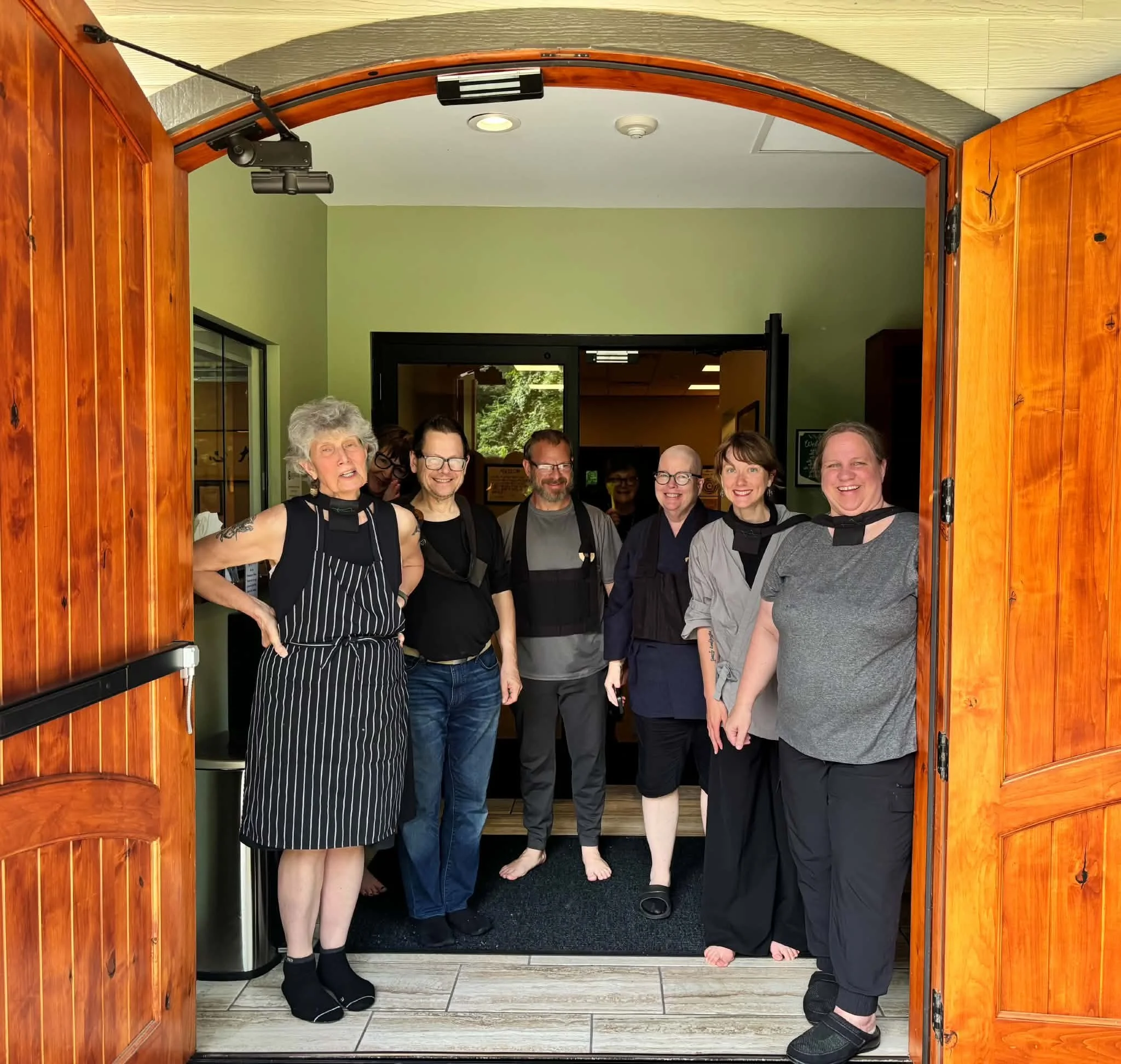
Residential Practice with the Great Heartland Sangha
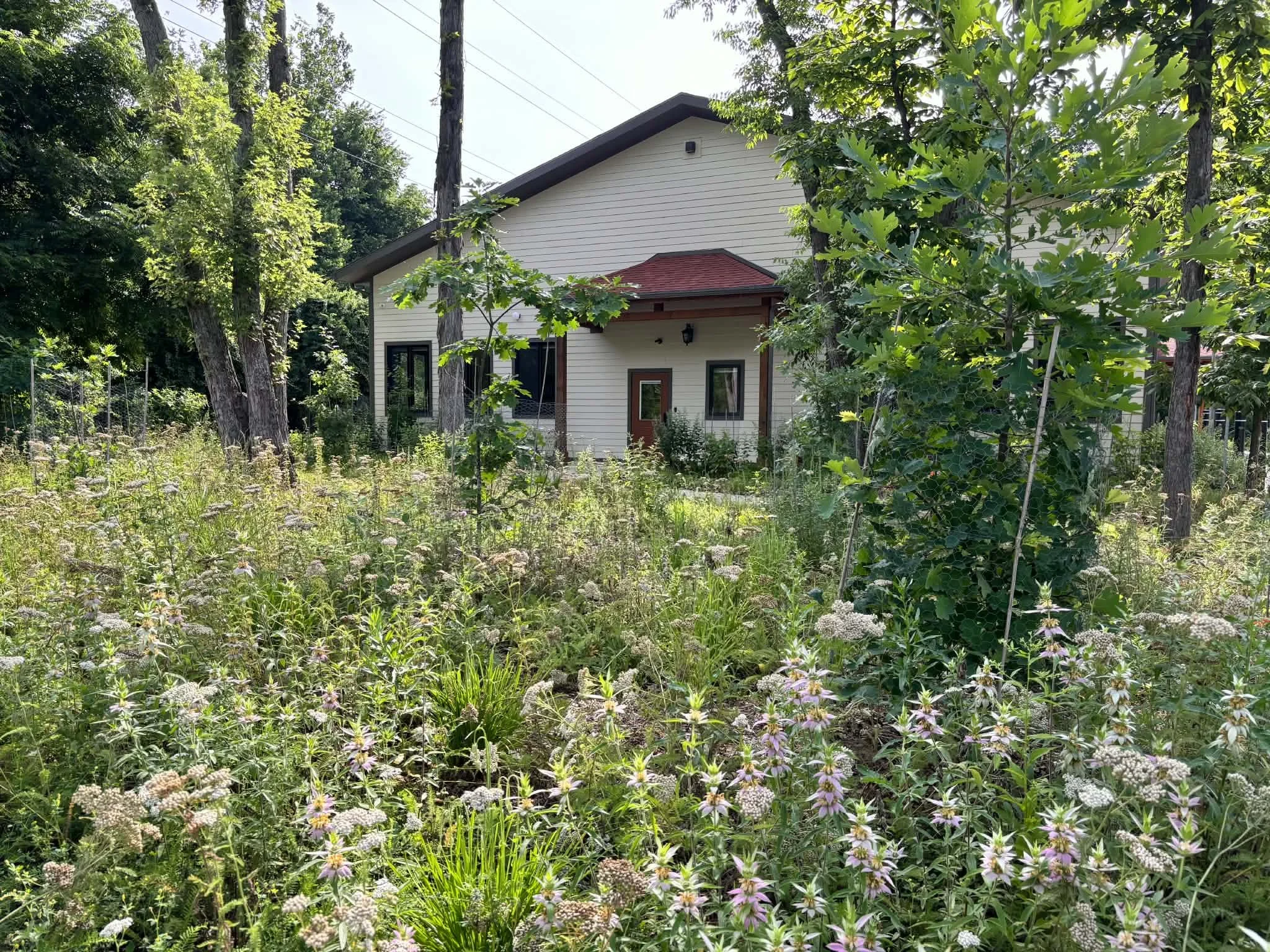
Nestled in twenty-five wooded acres within the city of Toledo, the Great Heartland Sangha offers the opportunity to immerse in full time Zen Training by residing on campus and following the GHSangha residential schedule.
Residential practice is a time to simplify life by temporarily setting aside normal responsibilities and focusing one’s efforts entirely on the project of awakening. It is an opportunity to discover what happens when Zen practice is no longer one activity among many, but is instead the organizing principle of daily life.
During residential training the week’s schedule becomes the container for your life. All daily activities become the intentional field of Zen Training and Practice by engaging wholeheartedly with lineage-transmitted teachers and practicing the Buddhadharma while living intentionally in Noble Friendship with sangha.
GHSangha Residential Schedule
The initial stay for first time residents is one month. For experienced practitioners, residential training for a full 90 day Ango or an even longer period is also possible.
During the training week, monastics and residents follow and practice all aspects of the GHS Residential Schedule. Members of the wider Sangha participate in various aspects of the schedule and Temple programming throughout the week as well, including a Wednesday evening service and Sunday morning program which are both open to the public. These services include liturgy, zazen, and teisho.
Aspects of the Residential Schedule
Timeliness is a practice in itself. We wake up together and we hold ourselves to the commitment of being on time for all aspects of the community schedule. In following the schedule, practitioners are immersed in the dharma throughout the day, connecting with teachers, senior practitioners, and each other.
Zazen is central to the experience. The practice of seated meditation is the basis from which all activity arises.
Each resident receives individual guidance in their practice, in the form of weekly dokusan, direction on materials and instruction for contemplative reading, and guidance for additional dharma study and practice.
LIturgy and ritual are integral to the experience and integration of awakening. Each day includes multiple liturgical expressions marking the day of practice.
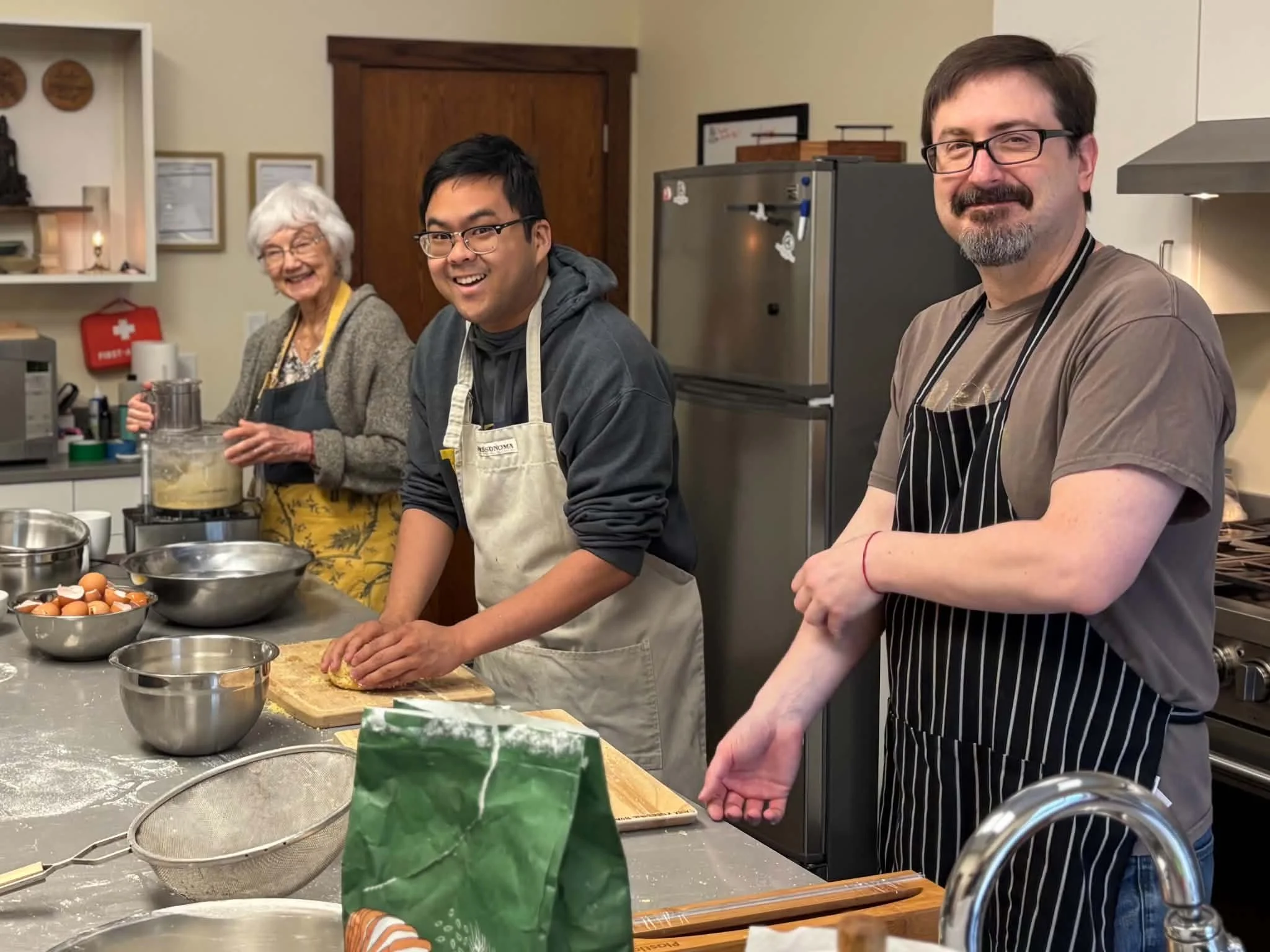
Meals are taken together and are a vital part of communal practice. Food is vegetarian and is prepared with care and great intention. During retreat the meals are taken in formal oryoki style.
Throughout the week there are several residential group meetings with the residential training coordinator. These are times to share our experiences and practice, and also to address any concerns that may arise in the residential community.
The Buddhist tradition includes specific methods for cultivating health and longevity. Instruction in traditional Buddhist Qigong is provided and ample time to practice and care for one’s health and wellness is available in the afternoons.
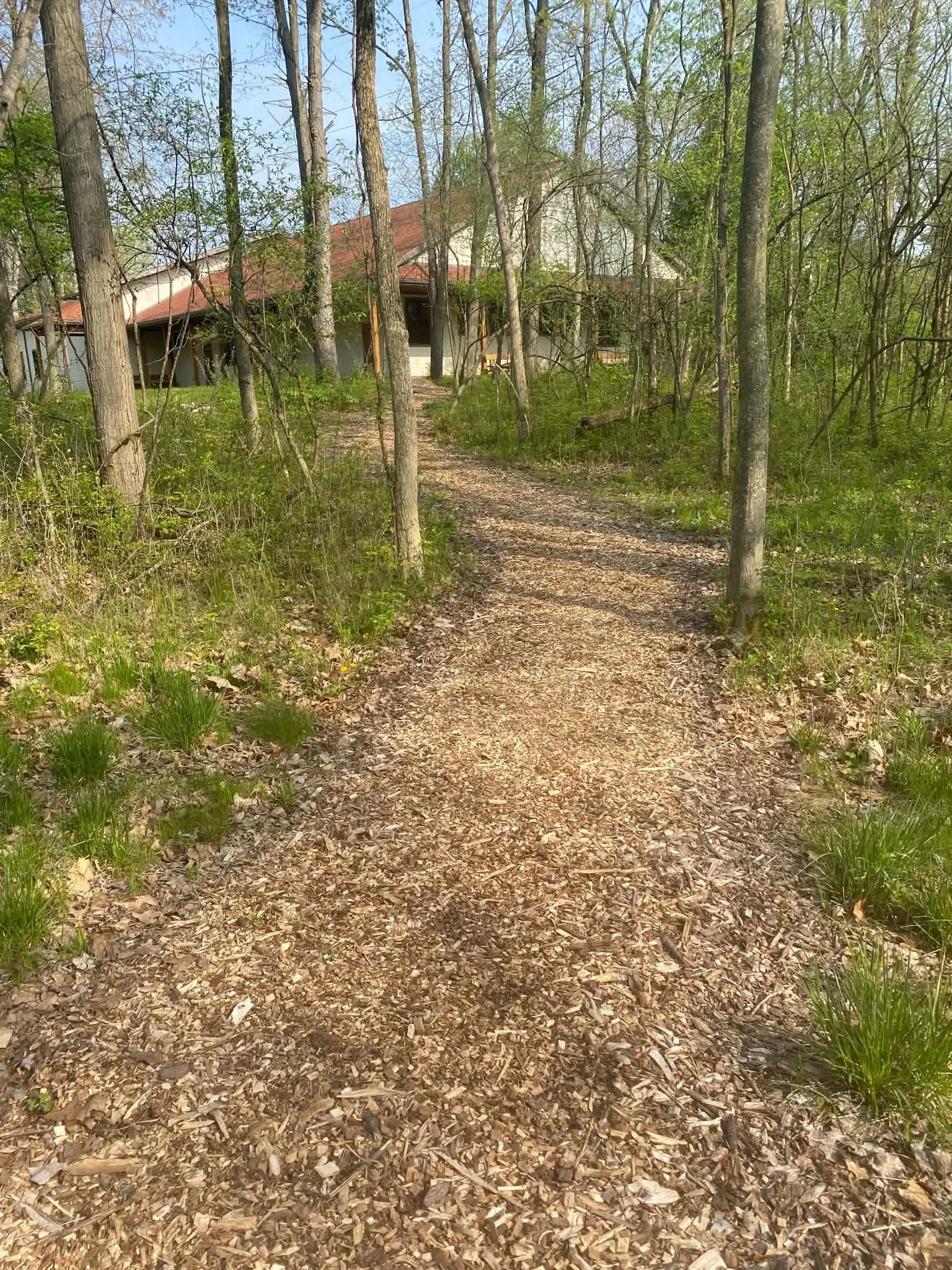
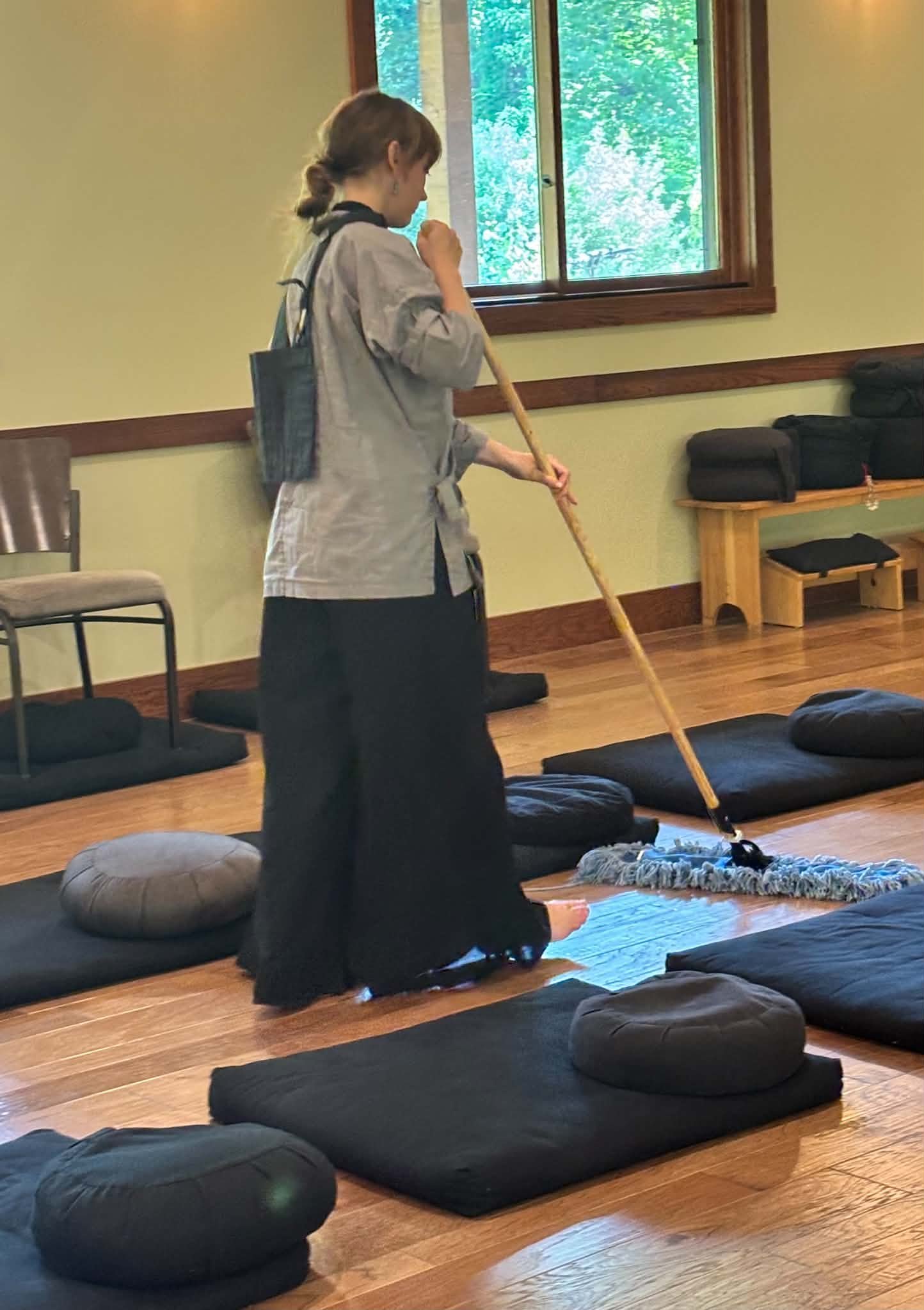
There are two designated periods for samu each day. The practice of samu is the practice of caretaking, of work practice, and can take many forms depending on the needs of the community at the time. Examples include food preparation, working in the garden, maintaining trails, caring for the zendo and floors, special projects, and administrative work.
Self-directed practice is a quiet time, scheduled each afternoon for rest, longevity practice, exercise, or art practice. Residents receive guidance on how to use this time in the spirit of training, while taking responsibility for it without direct supervision.
A block of time is set aside each week for Directed Buddhist Studies. This is designated for the study of the Buddhadharma and its history and traditions. This program of study is undertaken with the guidance of the teachers.
Additionally, specific time for contemplative reading and reflection, journaling and noting personal experiences and insights is scheduled before evening Zazen each day.
Noble Silence is held from 6:00 PM to 8:00 AM, Tuesday - Friday
Weekends at the Temple are a vibrant time of activity with the wider Great Heartland Sangha. In the course of a given month Saturday Temple Programming includes:
Temple Samu Day: a day of community Caring for the Temple and Grounds
Zazenka Day Retreat
Teaching Workshops and Classes
Dharma Discussion Groups
The week concludes with a Sunday Program with topical Dharma classes, the White Tara Sadhana, Zen chanting, liturgy, zazen, and a teisho followed by Sangha Lunch and Closing.
Hosan
From Sunday afternoon until Tuesday morning, residents enter hosan, a less structured period for additional rest, personal needs, time in nature, errands, exercise, creative activity, and preparation for the coming week.
Hosan offers the opportunity for residents to have unstructured socializing time, if they so choose. The Daishin Koku-ji Monastery is located on twenty-five wooded acres within the city of Toledo, Ohio and living in harmony at the juncture of nature and city is part of the practice. On the cloistered Monastery grounds there is room to walk, work outdoors, sit quietly and watch the stream flow by, encounter the native wildlife and changing seasons, and experience the relationship between contemplative life and the natural world — while remaining within an accessible Midwestern city.
Additionally, with an adjacent walking path connecting to Temple ground, residents also have direct access to city experiences including the University of Toledo, a large metropark, an award winning pizza place, a pub, restaurants, a bookstore, a middle eastern market, a breakfast cafe and two coffee shops.
Sesshin
Each month of residency culminates in a five- to seven-day sesshin. The three weeks of residential practice leading up to the retreat establish a steady rhythm of zazen, study, and work, preparing residents to enter sesshin deeply. Sesshin, in turn, offers a powerful conclusion to the month and helps residents carry what they have learned into daily life beyond the residency.
Is Residential Practice Right for You? Some Considerations…
The residential experience is not a personal spa retreat or a way to escape the difficulties of one’s life. Rather, it is an opportunity to encounter those difficulties through Zen practice and to deepen our realization of our true nature.
Zen residential practice cultivates solitude, but it is not a solitary retreat. We practice alongside one another. Living, sitting, eating, working, and studying together can reveal habits and difficulties that are easy to overlook when we practice alone. Community life offers daily opportunities to practice patience, generosity, humility, attention, and compassion in the company of noble friends.
Residential Zen training is deeply rewarding, and it is also rigorous and demanding. The schedule is intentionally full. It offers something increasingly rare: sustained time to devote yourself wholeheartedly to practice.
Residents are asked to enter formal training with sincerity, stability, humility, and a willingness to participate fully in the schedule and community life under the guidance of the teachers. There is no need to arrive as a “perfect Zen student.” What matters most is a sincere willingness to practice and, for the duration of the residency, to set aside outside work and other responsibilities and focus all of one's efforts on the project of Awakening.
Interested in More Information or Applying for Residency?
Please see the following link for 2027 Residential Calendar and training fees.
2027 Dates and Fees - Residency
If after reviewing this information, you are interested in GHS residential practice, the next step is a conversation where we can learn a little about you, answer your questions, and help determine whether residency might be appropriate at this point in your practice.
Please contact the Residential Training Coordinator at info@GHSangha.org